
[ad_1]
Lowering cholesterol levels is crucial for maintaining good heart health and reducing the risk of heart disease. While medication can help, making changes to your diet can also have a significant impact on your cholesterol levels. In this article, we’ll provide you with the ultimate guide to lowering cholesterol through diet.
First and foremost, it’s important to understand the different types of cholesterol. There are two main types of cholesterol: LDL (low-density lipoprotein) and HDL (high-density lipoprotein). LDL cholesterol, also known as “bad” cholesterol, can build up in the walls of your arteries and form plaque, leading to atherosclerosis and an increased risk of heart disease. On the other hand, HDL cholesterol, or “good” cholesterol, helps remove LDL cholesterol from your arteries.
To lower your LDL cholesterol levels and increase your HDL cholesterol levels, here are some dietary tips to follow:
1. Reduce saturated and trans fats: Saturated fats and trans fats can raise your LDL cholesterol levels. Limit your intake of red meat, full-fat dairy products, fried foods, and processed foods containing hydrogenated oils.
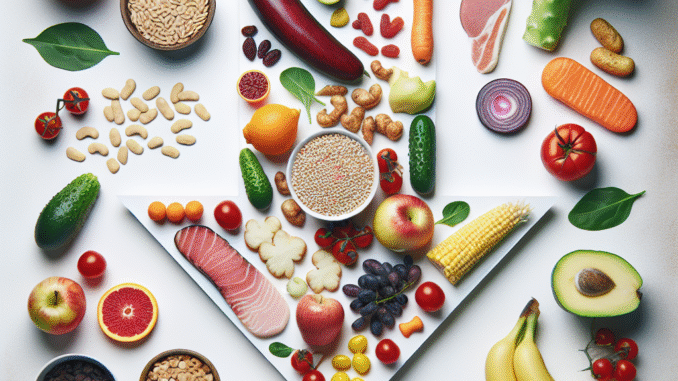
2. Increase fiber intake: Soluble fiber can help lower LDL cholesterol levels by binding to cholesterol in the digestive tract and removing it from the body. Include plenty of fruits, vegetables, whole grains, and legumes in your diet.
3. Choose healthy fats: Replace saturated and trans fats with healthier fats like monounsaturated and polyunsaturated fats. Sources of healthy fats include olive oil, avocados, nuts, seeds, and fatty fish like salmon and mackerel.
4. Eat more plant-based foods: Plant-based foods like fruits, vegetables, whole grains, and legumes are rich in fiber, antioxidants, and other nutrients that can help lower cholesterol levels and reduce inflammation in the body.
5. Include foods rich in omega-3 fatty acids: Omega-3 fatty acids can help lower triglycerides and increase HDL cholesterol levels. Include sources of omega-3s like fatty fish, flaxseeds, chia seeds, and walnuts in your diet.
6. Limit added sugars and refined carbohydrates: Diets high in added sugars and refined carbohydrates can lead to high triglyceride levels and lower HDL cholesterol levels. Limit your intake of sugary drinks, sweets, white bread, and pastries.
7. Be mindful of portion sizes: Eating large portions of high-calorie, high-fat foods can contribute to weight gain and high cholesterol levels. Be mindful of portion sizes and aim to eat balanced meals that include a variety of nutrient-dense foods.
By following these dietary tips, you can lower your cholesterol levels and improve your heart health. Remember to also incorporate regular physical activity, maintain a healthy weight, and avoid smoking to further reduce your risk of heart disease. Consult with your healthcare provider or a registered dietitian for personalized guidance on managing your cholesterol levels through diet.
[ad_2]
Leave a Reply
You must be logged in to post a comment.