
[ad_1]
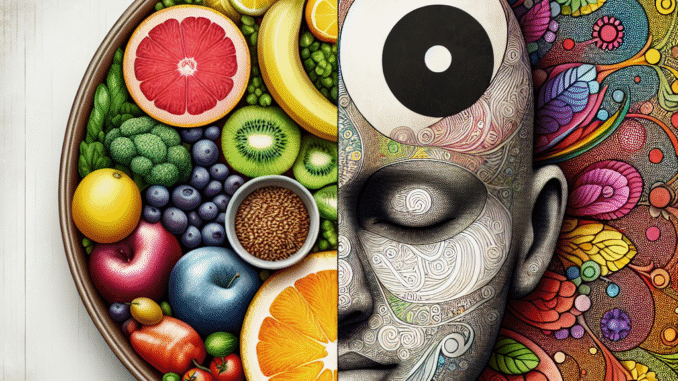
Our diet plays a crucial role in our overall health, including our mental health. Research has shown that what we eat can have a significant impact on our mood, cognitive function, and overall mental well-being. Understanding the link between diet and mental health is important for maintaining a healthy mind and body.
One of the key ways that diet can affect mental health is through the gut-brain connection. The gut and the brain are connected through a complex network of nerves, hormones, and chemicals that communicate with each other. The food we eat can influence the balance of bacteria in our gut, known as the gut microbiome, which in turn can affect our mood and mental health.
Eating a diet rich in fruits, vegetables, whole grains, and lean proteins can help support a healthy gut microbiome and promote good mental health. On the other hand, a diet high in processed foods, sugar, and unhealthy fats can disrupt the balance of bacteria in the gut and contribute to inflammation, which has been linked to depression and anxiety.
In addition to the gut-brain connection, certain nutrients have been found to play a role in mental health. For example, omega-3 fatty acids found in fatty fish like salmon and walnuts have been shown to have anti-inflammatory and mood-stabilizing effects. Similarly, B vitamins, particularly B12 and folate, are important for brain health and have been linked to a lower risk of depression.
It’s also important to consider the impact of sugar and caffeine on mental health. While a sugary snack or a cup of coffee may provide a temporary energy boost, they can also lead to crashes in mood and energy levels. Excessive consumption of sugar and caffeine has been linked to anxiety, irritability, and poor mental health.
Overall, maintaining a balanced and nutritious diet is key to supporting good mental health. Here are some tips for incorporating healthy eating habits into your daily routine:
1. Eat a variety of fruits and vegetables to ensure you’re getting a mix of vitamins and minerals that support brain health.
2. Include lean proteins like chicken, fish, tofu, and legumes in your meals to support neurotransmitter function.
3. Limit processed foods, sugary snacks, and caffeine, which can disrupt your mood and energy levels.
4. Stay hydrated by drinking plenty of water throughout the day, as dehydration can affect cognitive function and mood.
5. Consider taking a multivitamin or supplement to ensure you’re getting all the nutrients you need for optimal mental health.
By paying attention to what you eat and making healthy choices, you can support your mental health and overall well-being. Remember, a healthy mind starts with a healthy body, so make sure to nourish yourself with the nutrients you need to thrive.
[ad_2]
Leave a Reply
You must be logged in to post a comment.