
[ad_1]
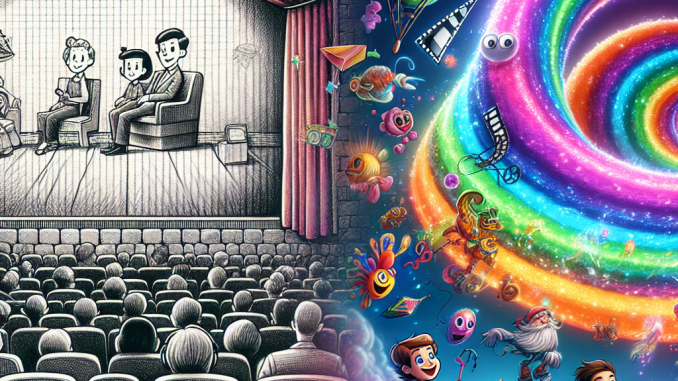
Kids movies have come a long way over the years, evolving from classic hand-drawn animations to modern computer-generated imagery (CGI) films. The evolution of kids movies has been a fascinating journey, with advancements in technology and storytelling techniques constantly pushing the boundaries of what can be achieved on the big screen.
One of the earliest examples of a classic kids movie is Disney’s “Snow White and the Seven Dwarfs,” released in 1937. This groundbreaking film was the first full-length animated feature and paved the way for future animated classics such as “Cinderella,” “The Little Mermaid,” and “Beauty and the Beast.” These films were created using traditional hand-drawn animation techniques, with skilled animators painstakingly drawing each frame by hand.
In the 1990s, the rise of computer technology led to a new era of kids movies. Pixar revolutionized the industry with its release of “Toy Story” in 1995, the first fully computer-animated feature film. This groundbreaking film showcased the potential of CGI animation, with lifelike characters and stunning visuals that captivated audiences of all ages. Pixar went on to produce a string of successful films such as “Finding Nemo,” “The Incredibles,” and “Up,” setting a new standard for animated storytelling.
Other studios quickly followed suit, with DreamWorks Animation producing hits like “Shrek” and “Kung Fu Panda,” and Illumination Entertainment creating the “Despicable Me” franchise. These films combined cutting-edge animation technology with engaging stories and lovable characters, appealing to both children and adults alike.
The evolution of kids movies has also seen a shift in storytelling, with modern films tackling more complex themes and incorporating humor and pop culture references that appeal to a broader audience. Films like “Frozen,” “Moana,” and “Zootopia” have been praised for their diverse representation and empowering messages, breaking away from traditional gender roles and stereotypes.
The future of kids movies looks bright, with advancements in technology allowing filmmakers to create even more visually stunning and immersive worlds. With the rise of streaming platforms like Netflix and Disney+, there are more opportunities than ever for filmmakers to create diverse and innovative content for young audiences.
In conclusion, the evolution of kids movies from classic hand-drawn animations to modern CGI films has been a remarkable journey, with each era bringing its own unique contributions to the genre. While classic films will always hold a special place in our hearts, the advancements in technology and storytelling techniques have opened up new possibilities for the future of kids movies. Whether it’s a timeless classic or a cutting-edge CGI adventure, there is no shortage of magical worlds waiting to be explored on the big screen.
[ad_2]
Leave a Reply
You must be logged in to post a comment.