
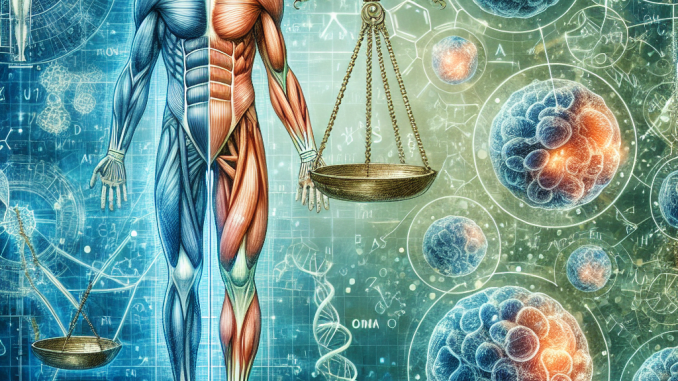

Are you trying to shed some extra pounds and wondering how exactly your body burns fat? Understanding the science behind weight loss can help you make informed decisions about your diet and exercise routine.
When it comes to weight loss, the key concept to understand is that in order to lose weight, your body needs to burn more calories than it takes in. This creates a calorie deficit, which forces your body to tap into its fat stores for energy.
The process of burning fat is a complex biochemical process that involves several steps. When you consume food, your body breaks down carbohydrates, fats, and proteins into their simplest form, which are then absorbed into the bloodstream. The body uses carbohydrates as its primary source of energy, but when there is a shortage of carbohydrates, it turns to fat for fuel.
When your body needs energy, it releases hormones that signal fat cells to release their stored triglycerides (a type of fat) into the bloodstream. These triglycerides are then broken down into fatty acids and glycerol, which are used by the body for energy.
The fatty acids are transported to the mitochondria, the powerhouse of the cell, where they are oxidized (burned) to produce ATP, the body’s main source of energy. This process is known as beta-oxidation and is the primary way in which the body burns fat.
In order to increase fat burning, it is important to create a calorie deficit through a combination of diet and exercise. Eating a healthy, balanced diet that is low in processed foods and high in fruits, vegetables, lean proteins, and whole grains can help you reduce your calorie intake.
In addition, incorporating regular exercise into your routine can help increase your metabolism and promote fat burning. Cardiovascular exercise, such as running, cycling, or swimming, can help you burn calories and increase your heart rate, while strength training can help build muscle mass, which can increase your metabolic rate and help you burn more fat.
It is important to remember that weight loss is a gradual process and requires patience and consistency. Crash diets and extreme exercise regimens are not sustainable in the long run and can actually be harmful to your health. Instead, focus on making small, sustainable changes to your diet and exercise routine that you can stick with for the long term.
By understanding the science behind weight loss and how your body burns fat, you can make informed choices about your lifestyle that can help you achieve your weight loss goals in a healthy and sustainable way.
Leave a Reply
You must be logged in to post a comment.