
[ad_1]
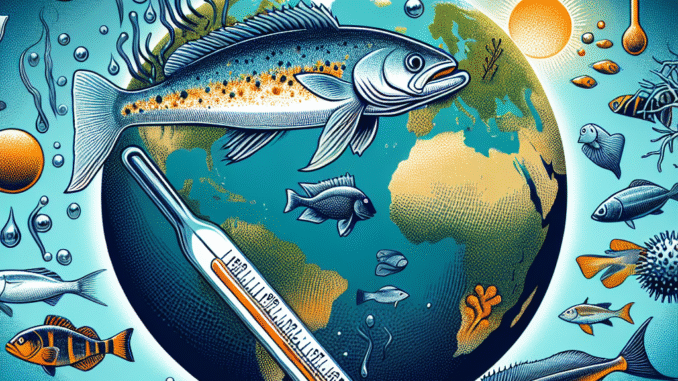
Climate change is having a significant impact on fish populations around the world. Rising global temperatures, changing ocean currents, and increasing levels of carbon dioxide in the atmosphere are all contributing to a decline in fish populations and disrupting marine ecosystems.
One of the major ways in which climate change is affecting fish populations is through ocean warming. As the planet heats up, ocean temperatures are also rising, which can have a detrimental effect on fish species that are sensitive to temperature changes. For example, some species of fish, such as tuna and salmon, rely on specific temperature ranges for breeding and feeding. With warming waters, these fish may be forced to migrate to cooler areas, leading to a disruption in their natural habitats and potential decline in population numbers.
Additionally, climate change is causing changes in ocean currents and sea levels, which can impact the distribution and abundance of fish species. Changes in currents can lead to altered migration patterns, making it difficult for fish to find food and suitable breeding grounds. Rising sea levels can also result in loss of habitat, such as coral reefs and coastal wetlands, which are crucial for many fish species to thrive.
Another factor contributing to the decline in fish populations is ocean acidification, which is caused by the increased levels of carbon dioxide in the atmosphere. As the oceans absorb more carbon dioxide, the pH levels of the water decrease, making it more acidic. This can have negative effects on the growth and survival of fish, as well as their ability to reproduce and adapt to changing environmental conditions.
Overall, the impacts of climate change on fish populations are complex and interconnected. In order to address these challenges, it is crucial for policymakers, scientists, and communities to work together to implement sustainable fishing practices, reduce carbon emissions, and protect marine habitats. By taking action now, we can help mitigate the effects of climate change on fish populations and ensure a healthy and thriving marine ecosystem for future generations.
[ad_2]
Leave a Reply
You must be logged in to post a comment.