
[ad_1]
In today’s digital age, the retail industry is constantly evolving to meet the changing needs and preferences of consumers. One of the key trends driving this evolution is the power of personalization. Retailers are increasingly recognizing that in order to stay competitive and retain customers, they must cater to the individual needs and preferences of each shopper.
Personalization is the practice of tailoring products, services, and marketing efforts to meet the unique needs and preferences of individual customers. This can include everything from personalized recommendations based on past purchases, to customized product offerings based on a shopper’s browsing history, to targeted marketing messages that speak directly to a customer’s interests and preferences.
Retailers are using a variety of technologies and tools to deliver personalized experiences to their customers. One common approach is the use of data analytics and machine learning algorithms to analyze customer data and identify patterns and trends that can be used to create personalized recommendations and offers. For example, a retailer might use a customer’s past purchase history to recommend products that are likely to be of interest to that customer.
Another important tool in the personalization toolbox is customer relationship management (CRM) software, which allows retailers to track and manage customer interactions across multiple touchpoints, such as in-store visits, online purchases, and social media interactions. By using CRM software to track customer behavior and preferences, retailers can create more personalized and targeted marketing campaigns that are more likely to resonate with individual customers.
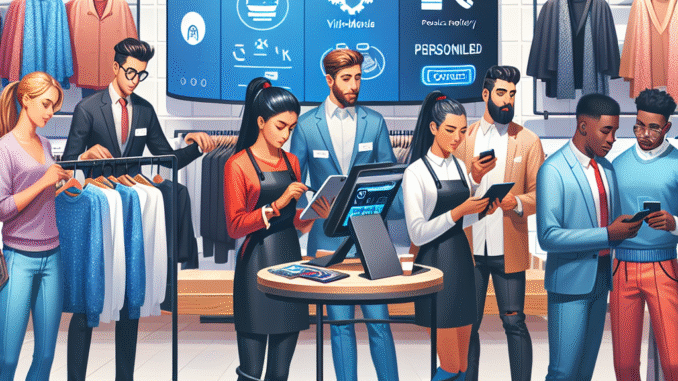
Personalization is not just limited to digital channels, however. Many retailers are also using in-store technologies, such as beacons and RFID tags, to track customer behavior and deliver personalized experiences in brick-and-mortar stores. For example, a retailer might use beacons to send personalized offers and recommendations to customers’ smartphones as they browse the aisles, or use RFID tags to track inventory levels and offer personalized product recommendations based on a customer’s past purchases.
The benefits of personalization for retailers are clear. By delivering personalized experiences to customers, retailers can increase customer loyalty, drive repeat purchases, and ultimately boost sales and profitability. In fact, a recent study by Deloitte found that retailers who invest in personalization see a 30% increase in customer retention rates, a 20% increase in average order value, and a 10% increase in conversion rates.
In conclusion, the power of personalization is transforming the retail industry, allowing retailers to cater to the individual needs and preferences of each customer in a way that was never before possible. By leveraging data analytics, CRM software, and in-store technologies, retailers are able to create personalized experiences that drive customer loyalty, increase sales, and ultimately drive business growth. As the retail landscape continues to evolve, personalization will undoubtedly play an increasingly important role in helping retailers stay competitive and meet the ever-changing needs of today’s consumers.
[ad_2]
Leave a Reply
You must be logged in to post a comment.