
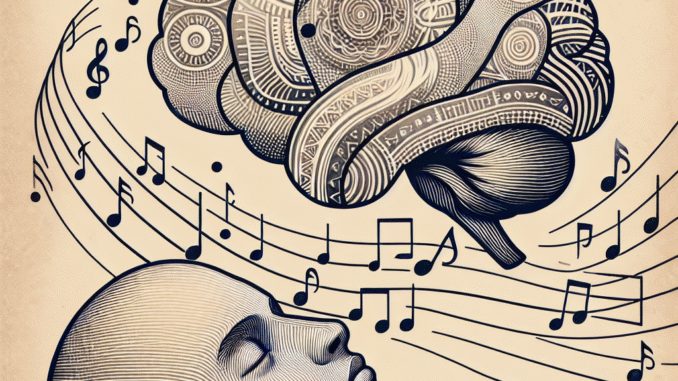

Rhythm is a fundamental aspect of music that has been studied for centuries. From the steady beat of a drum to the complex rhythms of a symphony, the patterns of sound and silence created by music can have a profound impact on our brains and bodies. In recent years, scientists have begun to uncover the ways in which rhythm can influence everything from our mood to our physical performance.
One of the key ways in which rhythm affects us is through its impact on our brainwaves. Research has shown that listening to music with a strong beat can synchronize brainwaves, leading to increased focus and concentration. This is why many people find it easier to concentrate while listening to music, particularly when they are engaged in tasks that require sustained attention.
Rhythm also has a powerful effect on our emotions. Fast tempos and strong beats can stimulate the release of dopamine, a neurotransmitter associated with pleasure and reward. This is why music with a fast tempo is often used to help boost mood and motivation. On the other hand, slow, gentle rhythms can have a calming effect, helping to reduce stress and anxiety.
Beyond its effects on the brain, rhythm can also have a profound impact on our bodies. Studies have shown that listening to music with a strong beat can increase physical performance, leading to improved endurance and strength. This is why music is often used as a tool for athletes and fitness enthusiasts looking to push themselves to new levels of performance.
Rhythm can also influence our sense of time and movement. Research has shown that our brains are wired to detect and respond to rhythmic patterns, allowing us to synchronize our movements with the beat of music. This is why dancing and other forms of rhythmic movement can be so enjoyable and satisfying – they allow us to tap into our innate sense of rhythm and coordination.
In conclusion, the science of rhythm is a fascinating field that is still being explored by researchers around the world. From its effects on our brains and emotions to its impact on our physical performance and sense of time, rhythm plays a crucial role in shaping our experiences with music and the world around us. So the next time you find yourself tapping your foot to a catchy beat or swaying to the rhythm of a song, remember that you are not just enjoying the music – you are also engaging with the powerful science of rhythm.
Leave a Reply
You must be logged in to post a comment.