
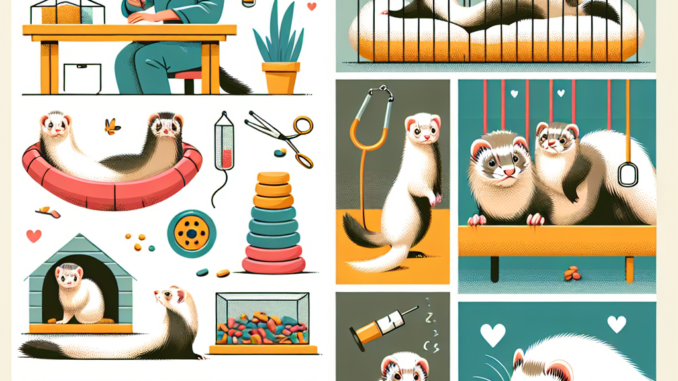

Ferrets are playful and energetic animals that make wonderful pets for those willing to put in the time and effort to care for them properly. If you are considering adding a ferret to your family, it is important to understand their unique needs and requirements. In this ultimate guide, we will cover everything you need to know about keeping ferrets as pets.
Housing
Ferrets are curious and active creatures that require a large and secure living space. A multi-level cage with plenty of room to run, climb, and play is essential for keeping your ferret happy and healthy. Make sure the cage has solid flooring to protect their feet and plenty of bedding for warmth and comfort. Ferrets are also known for their love of digging, so providing them with a box of soft bedding material or a dig box can help satisfy this natural behavior.
Diet
A proper diet is crucial for the health of your ferret. Ferrets are obligate carnivores, which means they require a diet high in animal protein. Commercial ferret food or high-quality kitten food is recommended as it provides the necessary nutrients for their specific dietary needs. You can also supplement their diet with small amounts of raw meat, eggs, and occasional treats like fruits and vegetables. It is important to avoid feeding them sugar, dairy, and grains as these can be harmful to their digestive system.
Exercise
Ferrets are highly active animals that need plenty of exercise to stay healthy and happy. Providing your ferret with opportunities to play and explore outside of their cage is essential. Ferret-proofing a room in your home or setting up a playpen with toys, tunnels, and climbing structures can help keep your ferret entertained and engaged. Additionally, taking your ferret for supervised outings in a safe, enclosed outdoor space can provide them with much-needed exercise and mental stimulation.
Grooming
Ferrets are relatively low-maintenance when it comes to grooming, but they do require some regular care. Their nails should be trimmed regularly to prevent overgrowth and their ears should be cleaned to prevent infections. Bathing should be done only when necessary, as frequent bathing can strip their skin of essential oils and lead to dryness. Brushing their coat occasionally can help reduce shedding and keep their fur looking healthy.
Healthcare
Regular veterinary check-ups are essential for keeping your ferret healthy. Ferrets are prone to certain health issues such as adrenal disease, insulinoma, and dental problems, so it is important to have them examined by a veterinarian at least once a year. In addition, ferrets should be vaccinated against rabies and canine distemper to protect them from these potentially deadly diseases.
In conclusion, ferrets can make wonderful pets for those willing to dedicate the time and effort to care for them properly. By providing them with a spacious living environment, a proper diet, plenty of exercise, and regular grooming and healthcare, you can ensure that your ferret lives a long and happy life. If you are considering adding a ferret to your family, be sure to do your research and educate yourself on their specific needs and requirements. With the right care and attention, ferrets can bring joy and companionship to your life for many years to come.
Leave a Reply
You must be logged in to post a comment.